The challenge of connecting field teams
In Industry 4.0, machines are increasingly instrumented, while operators may still need to search through documents, call a supervisor, or enter the same data again. This disconnect limits responsiveness and increases the risk of error.
A connected operator receives the right information at the right time: machine status, instructions, alerts, quality checks, and assistance requests. Technology remains a decision-support tool, not an additional constraint.
Tools designed around real use
Industrial tablets, touch interfaces, wearables, and dedicated consoles can be combined according to the working environment. The choice depends on gestures, protective equipment, connectivity, and the operator's available attention.
- Contextual instructions and digital procedures.
- Real-time alerts and AI-assisted recommendations.
- Fast reporting of downtime, faults, or non-conformities.
- Collaboration with maintenance, quality, and supervision teams.
Productivity, quality, and safety
Immediate access to data reduces the time spent searching for information and speeds up incident resolution. Guided checks reduce omissions, while traceability supports the analysis of quality deviations.
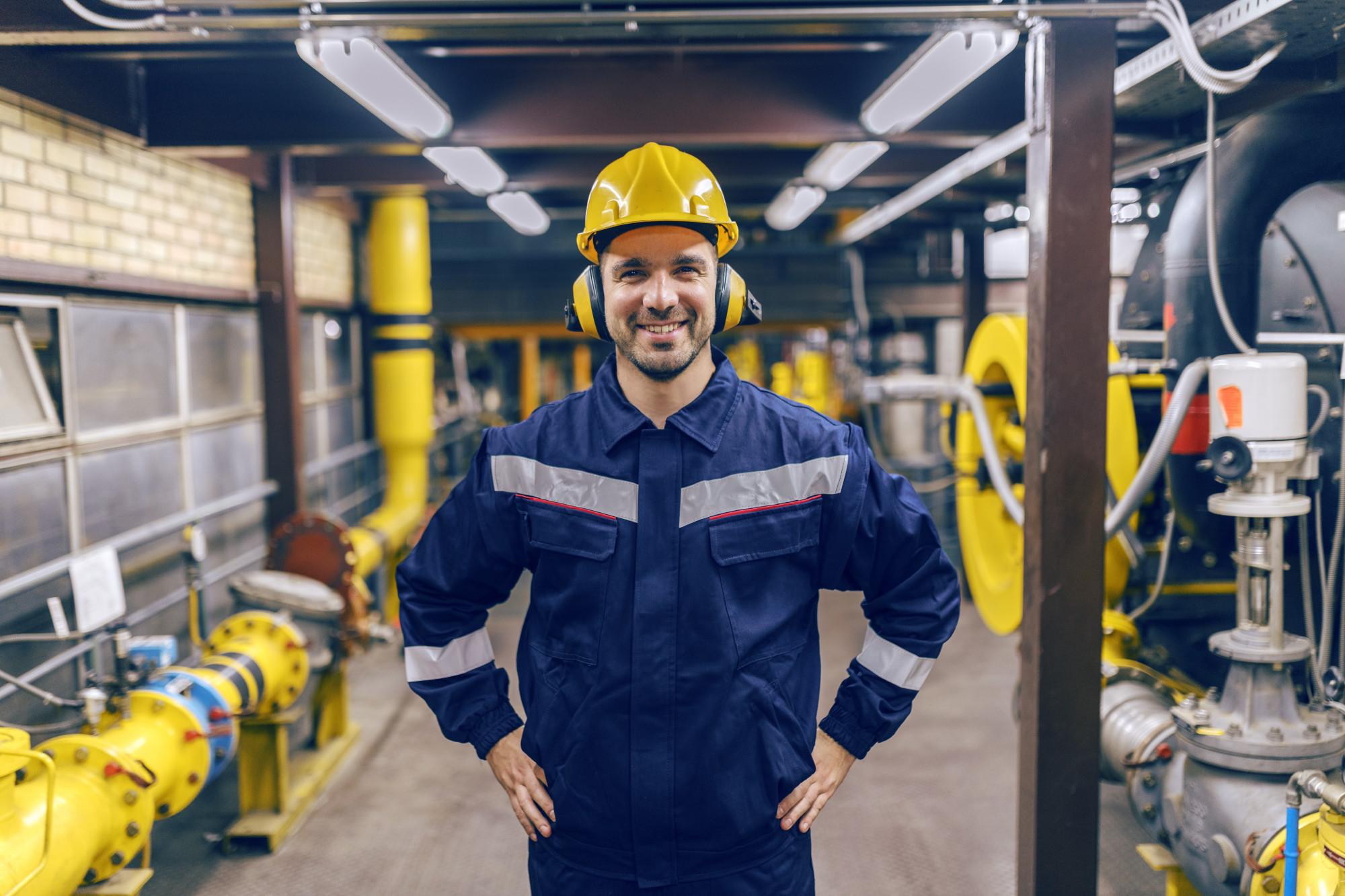
Wearable or environmental sensors can monitor heat, air quality, noise, or exposure to a hazardous area. Alerts must remain relevant to prevent information overload.
Driving adoption on the shop floor
Success depends on involving operators from the design stage. A simple interface, well-prioritized information, and fast feedback create a tool people will actually use.
Deployment can begin with one station or pilot workshop, measure gains, and refine workflows before expansion. The connected operator then becomes a central contributor to digital transformation.
An approach tailored to the field
Every industrial context has its own constraints. Architecture, interfaces and deployment model are validated with the client before implementation.